rightwaygroup.co/object/RW-L0037 · WhatsApp +66843627784 · hello@rightwaygroup.co · Koh Phangan, Thailand
RW-L0037 · Land
What we check before listingLand plot on Koh Phangan
Price on request
About this property
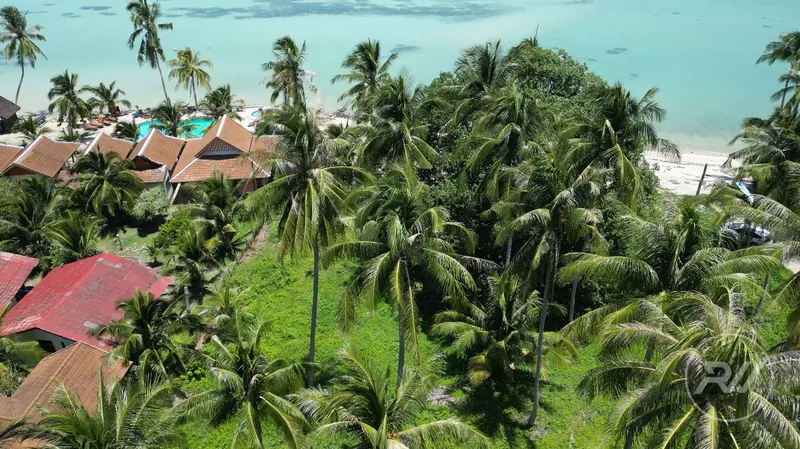
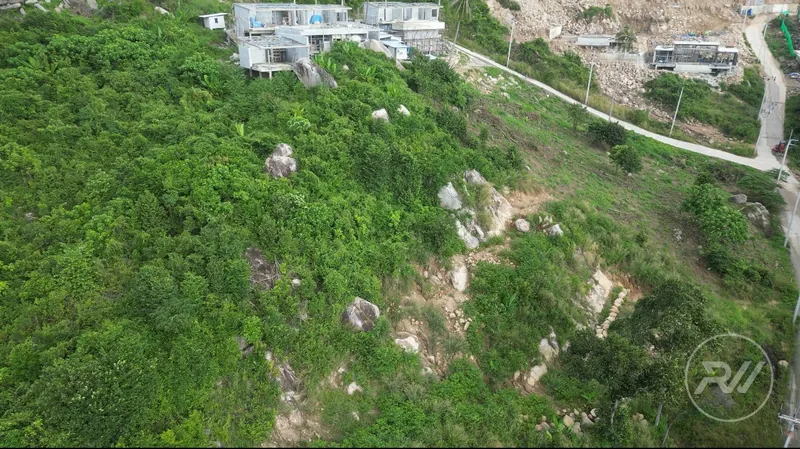
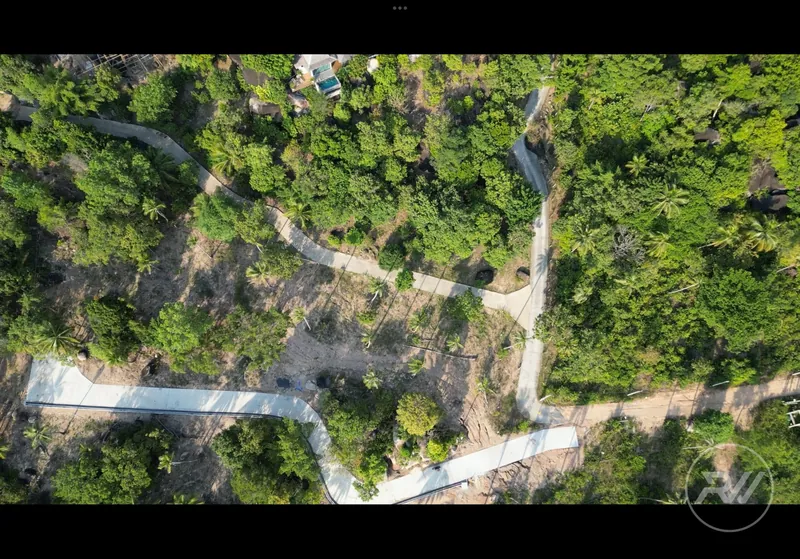
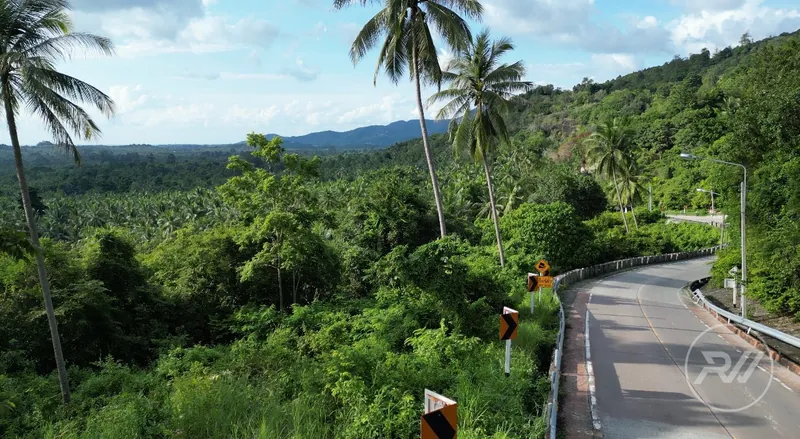
A 1.5925-rai building plot on Koh Phangan.
- 1.5925 rai
Specifications
Property
- Type
- Land
- Plot area
- 1.59 rai · 2,548 m²
Legal
- Tenure
- To be confirmed
Infrastructure
- Electricity
- No
Good to know
Can foreigners own land in Thailand?
No — foreigners cannot directly own land (Chanote / NS3) in their personal name in Thailand. This is a national law (Land Code Act, 1954) and applies everywhere, including Koh Phangan.
Foreigners can, however, hold land indirectly through three legal structures: a Thai company, a long-term lease (Leasehold), or — in rare cases — a usufruct or inheritance arrangement. Each has trade-offs in cost, control, and resale.
Foreigners can own buildings (villas, houses) in their personal name, separately from the land underneath. This is why most villa purchases involve a buildings-only transfer plus a long-term land lease.
What is a Chanote, and how is it different from NS3 or other documents?
Thai land documents form a hierarchy of certainty:
- Chanote (Nor Sor 4 Jor) — the highest-quality freehold title. GPS-surveyed boundaries, full legal protection, registered at the Land Office. ~80% of marketable Phangan land is Chanote.
- Nor Sor 3 Gor (NS3 Gor) — confirmed possession with surveyed boundaries, can be upgraded to Chanote in many cases. Marketable but with slight title risk.
- Nor Sor 3 (NS3) — confirmed possession, boundaries not GPS-surveyed (walking boundaries with markers). More risk on boundary disputes.
- Sor Kor 1 — informal possession rights, very limited transfer ability, generally not recommended for foreign buyers.
- Por Bor Tor 5 — tax payment document, not a title document. Walking away from these is wise.
Right Way works almost exclusively with Chanote and Nor Sor 3 Gor. We will flag and explain any exception.
Can I build whatever I want on the land I buy?
No — buildable plots have constraints:
- Zoning (per Phangan May 2025) — height, density, setback rules vary by zone (Coastal, Mountain, Wellness-Community, etc.). Some plots are limited to 1 storey only.
- Building permit — issued by the local Tessaban (municipal office). Architects submit plans, environmental assessment for >500 sqm builds, ~2–4 months approval timeline.
- Special protections — within 200 m of the high-water line: extra restrictions. Within national parks (some south-east Phangan): no new builds. Coastal zone B: typically 6 m height max.
What's typical for a residential Phangan villa:
- 1–2 storeys, often 1.5 storey to maximise sea view from upper deck
- Pool, garden, low-impact materials (wood, glass, concrete with green roof)
- Sustainable additions (solar, rainwater) often encouraged by Tessaban, sometimes giving a zoning bonus
What's typically problematic:
- 3+ storeys (rarely permitted)
- Direct beachfront with structural foundations < 200 m from high-water line
- High-density residential subdivisions — Phangan May 2025 limits these
Right Way provides zoning data per plot, but specific design and build-permit work is done by your architect.